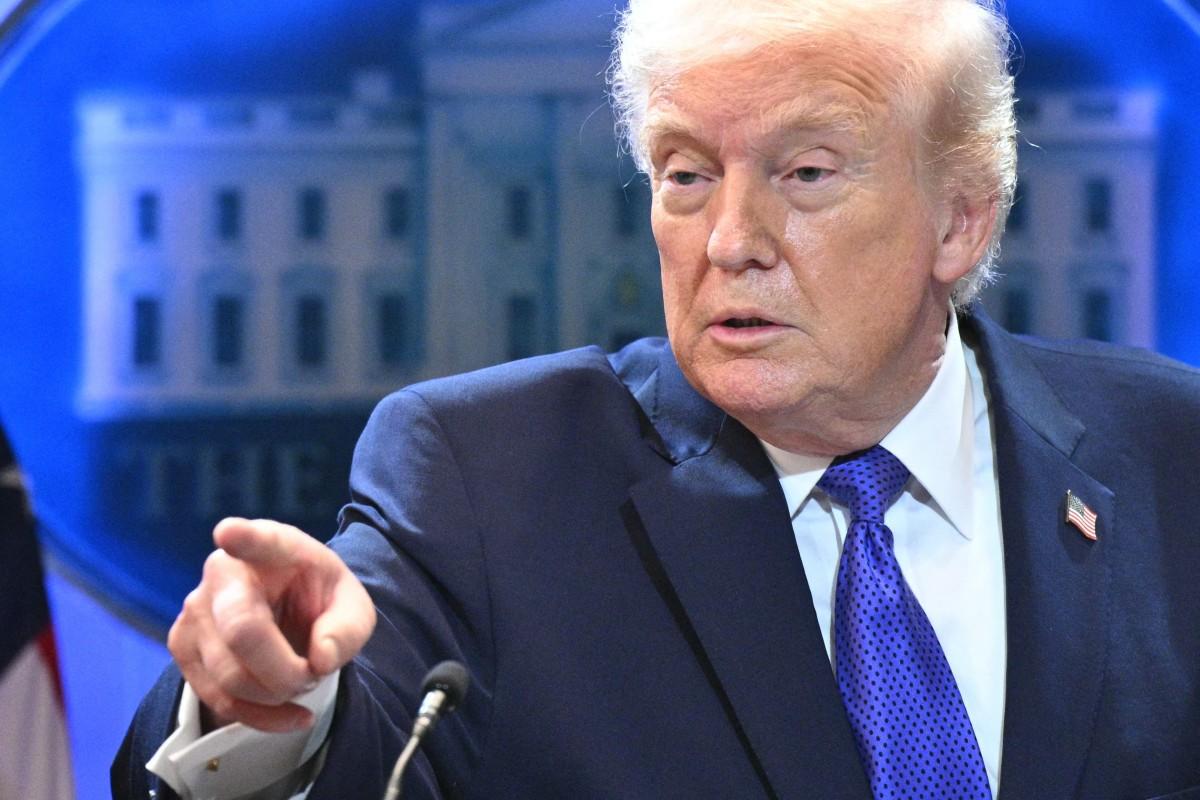
Former President Donald Trump has issued a stark public warning to Iran, stating there will be "severe consequences" if it attempts to mine the strategically vital Strait of Hormuz. Made on March 10, 2026, the statement from the leading presidential candidate directly addresses one of the most persistent threats to global energy security and maritime trade, signaling a potential foreign policy direction for a possible second term.
The World's Most Critical Oil Chokepoint
The Strait of Hormuz is not just any waterway. This narrow passage between Iran and Oman is arguably the most important maritime chokepoint on Earth. An estimated 20% of global oil consumption—roughly 21 million barrels per day—transits through its confines. Any disruption, whether by mining, blockades, or attacks, would have an immediate and seismic impact on worldwide energy prices and economic stability. The threat to close or mine the strait has been a cornerstone of Iranian military doctrine and political rhetoric for decades, serving as its ultimate asymmetric deterrent.
A Warning Without Specifics, But With Clear Implications
Trump's warning notably does not detail the promised "severe consequences." However, in the context of U.S.-Iran relations and the substantial American military presence in the region, such language universally implies a potential military response. The United States maintains the Fifth Fleet in Bahrain, a powerful naval force that would be the first responder to any hostile action in the strait. The statement functions as a public deterrent, aiming to dissuade Iran from acting on its long-standing threats.
Iran's Calculated Threat
For Iran, the ability to threaten the Strait of Hormuz is a key strategic card. It has frequently vowed to close the strait in response to international pressure, particularly severe sanctions targeting its oil exports. Mining the channel would be a brazen act of war under international law, likely triggering a broad coalition response beyond just the United States, potentially drawing in regional partners and global powers dependent on the free flow of oil.
Timing and Political Significance
The timing of this warning is highly significant. Coming from a former president who is a dominant figure in the current election cycle, it underscores the confrontational "maximum pressure" stance that defined his first term—a policy that included withdrawing from the Iran nuclear deal and imposing crushing sanctions. This public warning offers a clear preview of the heightened tensions that could define a potential second Trump administration, placing a volatile region on higher alert.