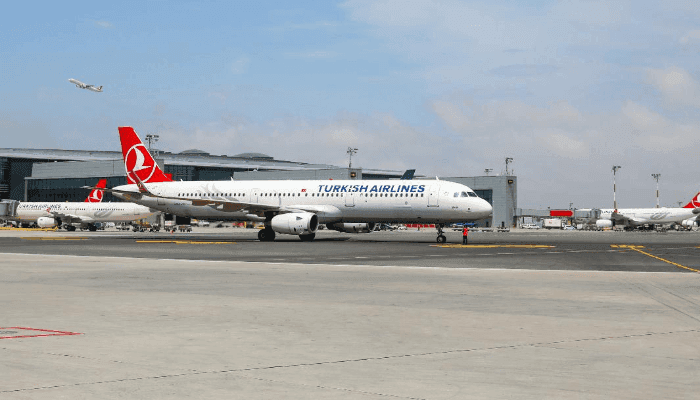
On March 10, 2026, travel plans for hundreds of passengers unraveled as Turkish Airlines operations at Lagos's Murtala Muhammed International Airport (LOS) came to a sudden and complete stop. Aviation workers, including critical ground staff and aircraft handlers, initiated a full-scale shutdown, halting all flights for the major international carrier.
Stranded Passengers and Terminal Chaos
The immediate impact was visible chaos at the airport's international terminal. Travelers arrived at check-in counters only to find services suspended, with no ability to board flights or retrieve checked luggage. Departure gates for Turkish Airlines flights stood empty, while confusion spread among passengers seeking information and alternative travel options.
A Major Blow to Regional Connectivity
The shutdown represents a significant rupture in regional and intercontinental travel networks. Turkish Airlines operates one of the largest schedules from Nigeria, serving as a primary connector for West African travelers to destinations across Europe, the Middle East, and Africa. The cessation of its flights from Lagos leaves a substantial gap in air links vital for business, tourism, and family travel.
The Unspoken Grievances
While the specific demands behind the labor action have not been formally detailed in initial reports, historical context provides clues. Similar shutdowns by aviation workers in Nigeria have typically stemmed from disputes over unpaid wages, challenging working conditions, or alleged breaches of collective labor agreements. The action suggests a critical breakdown in negotiations between the workers' union and either Turkish Airlines or its contracted ground service providers.
Economic and Reputational Ripple Effects
The impact extends far beyond stranded passengers. Nigeria's aviation sector is a vital economic engine, and disruptions at its premier international airport damage the country's reputation as a stable and reliable travel and business hub. Cargo operations, often running on tight schedules for perishable or high-value goods, are also likely severely affected, potentially disrupting regional supply chains.