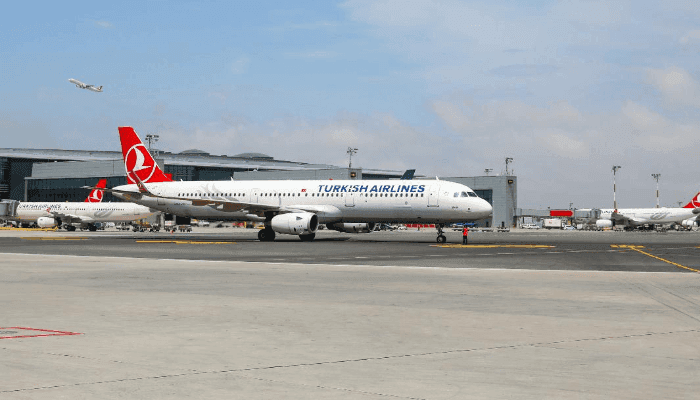
Aviation workers have brought Turkish Airlines operations at Lagos's Murtala Muhammed International Airport to a complete standstill. The sudden labor action has disrupted all passenger flights for one of Nigeria's largest international carriers, leaving travelers stranded with canceled flights and uncertain rebooking options.
The Immediate Impact: Stranded Passengers and Canceled Flights
Travelers arriving at Terminal D of Murtala Muhammed International Airport (LOS) found Turkish Airlines check-in counters empty and departure boards showing only cancellations. The total work stoppage by ground staff—including check-in agents, baggage handlers, and ramp workers—means planes cannot be boarded, luggage cannot be loaded, and aircraft cannot be prepared for departure. Airport authorities have confirmed there is no immediate resolution in sight, with the disruption expected to continue until the labor dispute is resolved.
Why Turkish Airlines Matters to Nigeria
Turkish Airlines serves as a critical connector for Nigeria, operating multiple daily flights to Istanbul Airport, one of the world's largest aviation hubs. From Istanbul, passengers can reach hundreds of destinations across Europe, Asia, and the Middle East. This makes the airline not just a transportation provider but a vital conduit for Nigerian business travel, tourism, and diaspora connections. The shutdown effectively severs this key travel link, with ripple effects extending far beyond Lagos.
Understanding the Shutdown Mechanics
While specific grievances haven't been detailed in initial reports, such labor actions typically stem from disputes over pay, working conditions, or alleged unfair labor practices. Ground staff possess unique leverage in aviation operations—their refusal to work immediately paralyzes airline functions. The complete nature of this work stoppage suggests a significant, unresolved dispute between workers and airline management.
The Broader Implications for Nigerian Aviation
Murtala Muhammed International Airport handles the majority of Nigeria's international air traffic, making this shutdown particularly disruptive. The incident highlights the vulnerability of global travel networks to localized labor actions and raises questions about contingency planning for such events. As negotiations presumably continue behind the scenes, stranded passengers face the immediate practical challenges of alternative travel arrangements in what is peak travel season for many routes.