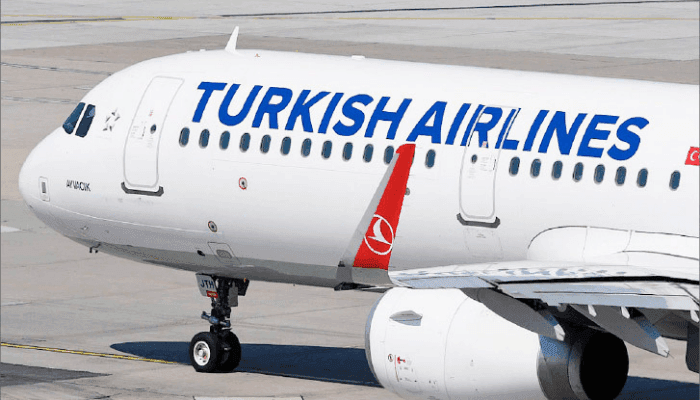
Turkish Airlines has publicly stated it may resort to canceling flights if other measures to manage its schedule prove unsuccessful. The declaration from the national flag carrier signals a potential shift in its operational strategy to address underlying challenges.
A Hierarchy of Responses
While the airline did not specify the nature of the 'other measures' it would attempt first, the statement clearly establishes a hierarchy of responses. Industry analysts suggest such measures could include proactive schedule thinning, aircraft substitutions, or crew reassignments to mitigate disruptions. The primary focus will be on implementing these alternative solutions before reaching the point of canceling services.
The Causes Behind the Warning
The airline's announcement provides no details on what specific factors are prompting this contingency planning. Potential causes could range from internal operational issues, such as fleet maintenance or crew availability, to external pressures like airspace closures, geopolitical tensions, or sustained high fuel costs affecting global aviation. Without further clarification from management, the statement serves as a broad warning.
The Global Ripple Effect
Turkish Airlines operates an extensive global network connecting Europe, Asia, Africa, and the Americas through its Istanbul hub. Any systematic cancellation of flights would have significant ripple effects across international travel routes, potentially stranding passengers and disrupting connecting itineraries on partner airlines. The carrier's hub at Istanbul Airport is a major global transit point, which amplifies the potential impact.
What Travelers Should Do
Passengers with upcoming bookings on Turkish Airlines are advised to monitor their flight status regularly and consider signing up for airline notifications. The situation underscores the importance of travel insurance and flexible booking options in the current aviation landscape.