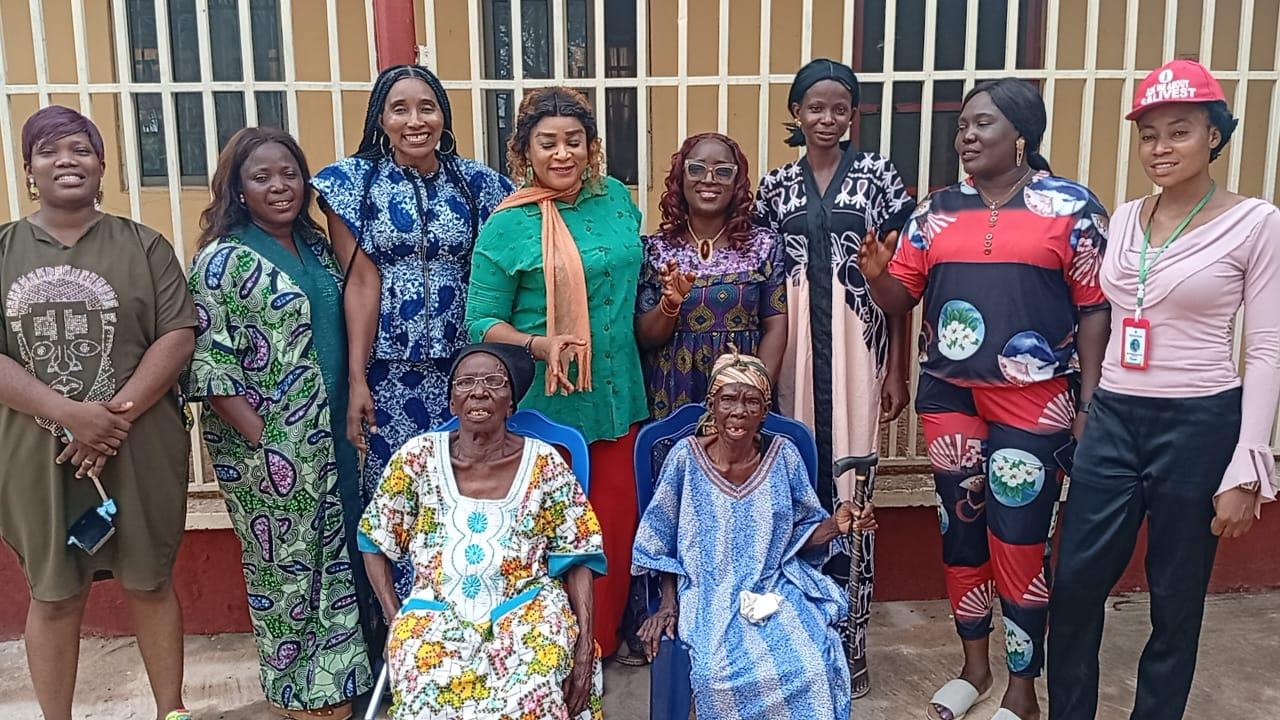
The news hit the community WhatsApp groups first, a frantic message about our people caught in a war far from home. Ghana’s Ministry of Foreign Affairs has confirmed that two Ghanaian citizens were injured following a drone strike close to the Dubai International Airport in the United Arab Emirates. For families here, Dubai is where uncles and brothers go to work, to send money back. Hearing their names in a story about missiles changes everything.
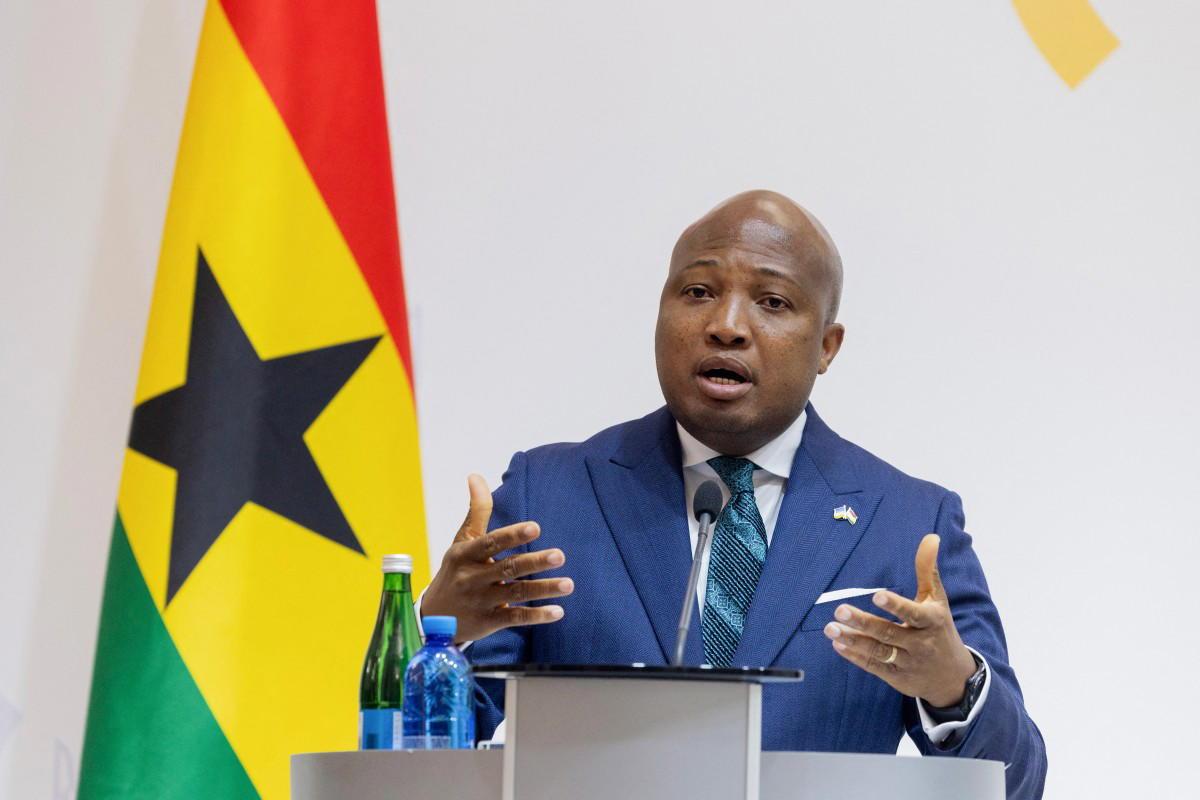
Ghana’s foreign affairs minister, Sam Ablakwa, said the incident occurred on Wednesday. That was the day the sky over the UAE lit up. The UAE Ministry of Defence announced that the country’s air defence systems were intercepting missiles and drones launched from Iran. People here are asking how a place known for construction jobs and shopping malls became a battlefield overnight.
The scale of the attack is hard to grasp. The UAE said its air defence systems had detected 262 ballistic missiles fired from Iran since the conflict began on February 28. They reported that 241 of the missiles were successfully destroyed, while 19 landed in the sea and two struck the country’s territory. That’s two too many for the families of the injured. It means the danger is real, even with all those defenses.
Our people weren't the only ones hurt. Authorities also reported that at least one Nigerian was among the 122 people injured during the interception of Iranian ballistic missiles in the UAE. Across West Africa, communities who rely on remittances from the Gulf are holding their breath. The 'Dubai dream' of a better life now has a terrifying new risk.
Meanwhile, the words from leaders feel disconnected from the reality on the ground. US President Donald Trump on Wednesday again signaled there could be a swift ending to the war on Iran, saying there is little left in the country for American forces to attack. Trump said there is 'practically nothing left to target' and the war will end 'soon.' But 'soon' doesn't mean much to someone in a hospital bed, or to a family waiting for a call.
The conflict is spreading in dangerous ways. Iran fired on two commercial ships in the Gulf on Wednesday, setting at least one vessel on fire. For a region where so many find work on the seas or in the ports, this escalation threatens another vital lifeline. It’s not just politics on TV anymore; it’s our livelihoods going up in smoke.
Back home, the focus is on bringing our people back safely and getting answers. The confirmation from our own ministry makes it official, but the worry started the moment the first alerts flashed. Community leaders are organizing, trying to find out who was hurt and how to support their families. The talk at the market isn't about missile counts; it's about which hospital they're in and how we can help.
What comes next? The community is waiting for more details on the injured Ghanaians and preparing for the possibility of more workers returning home if the violence continues. The real cost of this war is being counted not just in missiles intercepted, but in the lives of ordinary people who just went abroad to work.