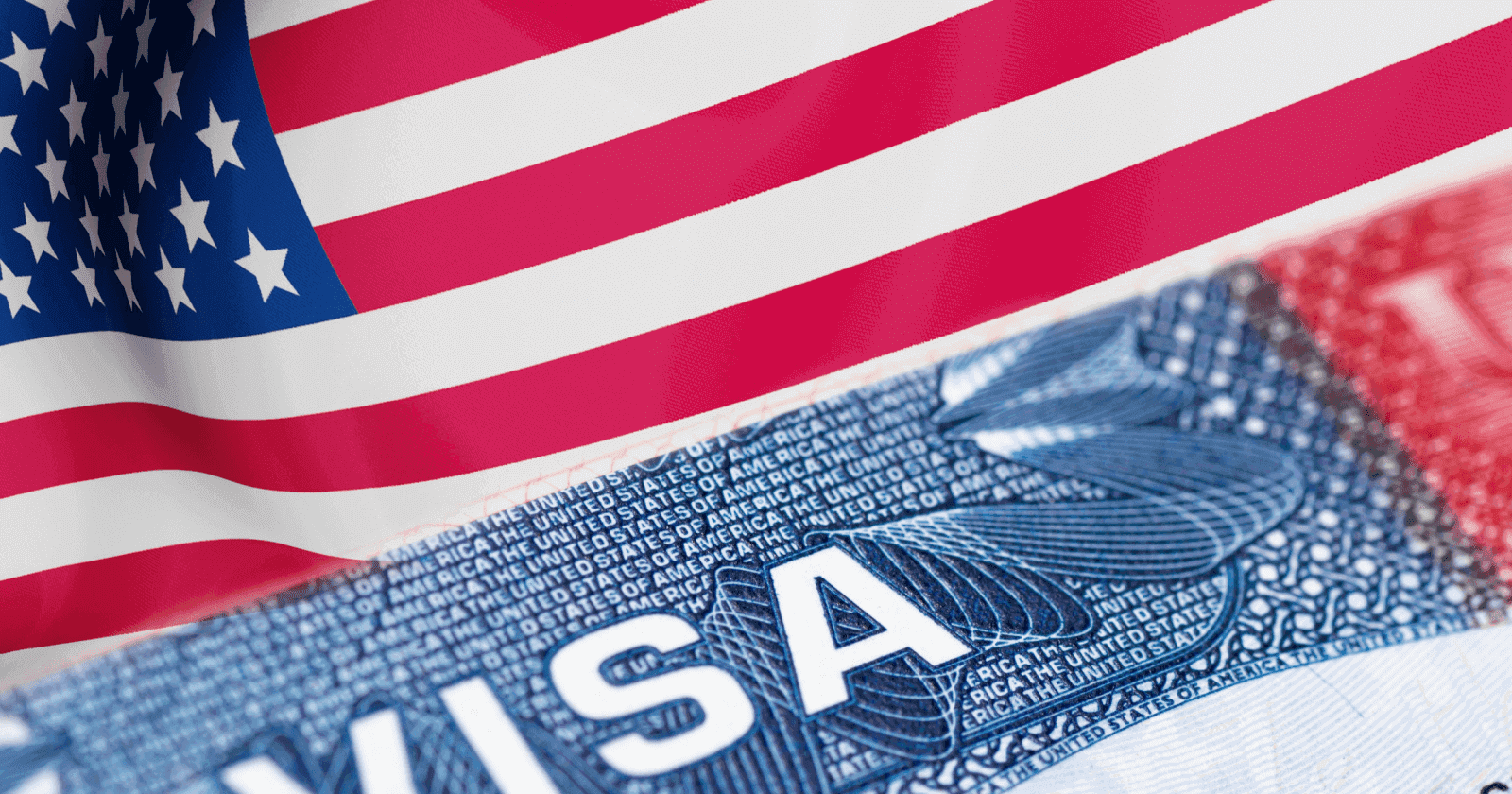
The United States Embassy in Nigeria's capital has suspended routine operations at its Abuja office. This decisive action stems from heightened security assessments indicating potential protests within the Federal Capital Territory (FCT). The closure directly impacts Nigerian citizens, halting visa processing and other consular services and underscoring the tangible link between local stability and international diplomatic functions.
Services are slated to remain suspended until Monday, March 9, 2026. This extended pause necessitates significant adjustments for applicants. Specifically, visa appointments originally scheduled for Tuesday, March 4, and Wednesday, March 5, 2026, along with American Citizen Services appointments set for March 5, have all been postponed. The Embassy is proactively notifying affected individuals of new dates in the following week, though the disruption to travel and application timelines is inevitable.
In a related international development, the Iranian government has issued assurances regarding the safety of Nigerian citizens residing within its borders. This communication comes amid escalating regional tensions involving the U.S., Israel, and Iran. Iranian authorities explicitly stated that no harm has come to Nigerians in cities like Tehran and Qom since the onset of recent hostilities. For Nigeria, a nation with a significant global diaspora, such direct assurances are vital for national peace of mind and diplomatic relations.
Domestically, a key change is underway in the Nigeria Police Force. The Force Public Relations Officer (FPRO), Assistant Commissioner of Police (ACP) Benjamin Hundeyin, will conclude his tenure in Abuja on Friday. His five-month assignment, which began in September 2025, saw him appointed to the role while holding the rank of Chief Superintendent of Police (CSP), succeeding Olumuyiwa Adejobi who was promoted to Deputy Commissioner of Police (DCP).
Concurrently, political activity is intensifying within the opposition Labour Party, signaling ongoing mobilization efforts within Nigeria's dynamic political arena. These concurrent events—an embassy closure, international assurances, a police leadership transition, and political mobilization—paint a picture of a day marked by significant logistical, security, and political movements.