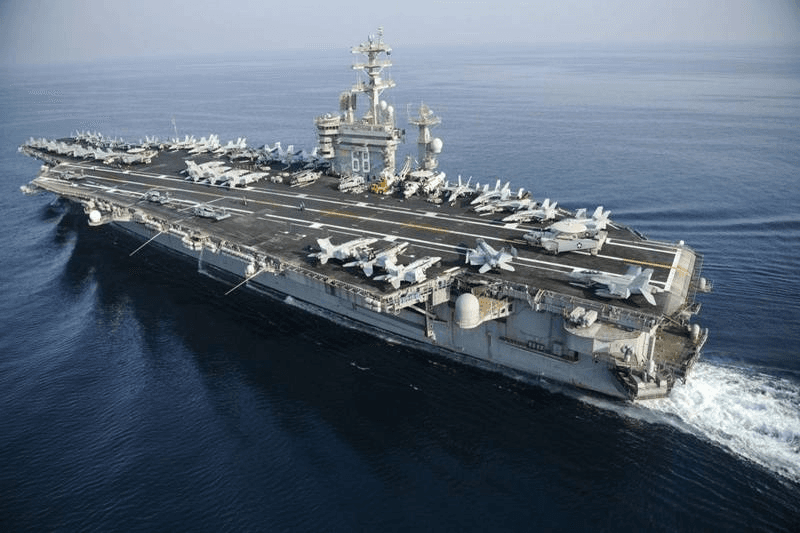
The United States is deploying additional Marines and naval assets to the Middle East, marking a significant reinforcement of its military posture in a region experiencing sustained tension. This move, confirmed by multiple reports, represents more than a routine rotation—it's a deliberate show of force calibrated to current security assessments.
Strategic Flashpoints: Red Sea and Persian Gulf
The deployment likely focuses on key maritime corridors where U.S. forces have been actively engaged. In the Red Sea and Persian Gulf, American naval units have defended commercial shipping from attacks in recent months. Sending additional Marines and ships underscores a commitment to keeping these vital sea lanes open and protecting regional allies.
What 'Reinforcement' Actually Means
This increase represents tangible combat power: more troops capable of rapid response ashore, and more warships to project power from the sea. Such deployments require considerable planning and resources, indicating decisions made at the highest levels of U.S. military command.
Context of a Fluctuating Presence
The U.S. has maintained a substantial military footprint in the Middle East for decades, but its size and composition adjust to perceived threat levels. This reinforcement suggests intelligence assessments or the security situation have prompted a recalibration toward a stronger posture.
Messaging to Allies and Adversaries
For allies like Israel and Gulf partners, the deployment serves as reassurance—a visible demonstration of America's security commitment. For potential adversaries, it acts as a deterrent, signaling readiness to respond to escalation. The public nature of this move amplifies its diplomatic weight.
As the Pentagon positions these additional assets, observers will monitor how this reinforced presence affects regional dynamics in the weeks ahead.