The British government announced on Tuesday that it would stop issuing education visas to nationals from Afghanistan, Cameroon, Myanmar, and Sudan. This move also includes a suspension of work visas for Afghans, forming a key part of a broader clampdown on asylum seekers. The decision represents a significant shift in immigration policy targeting specific countries.
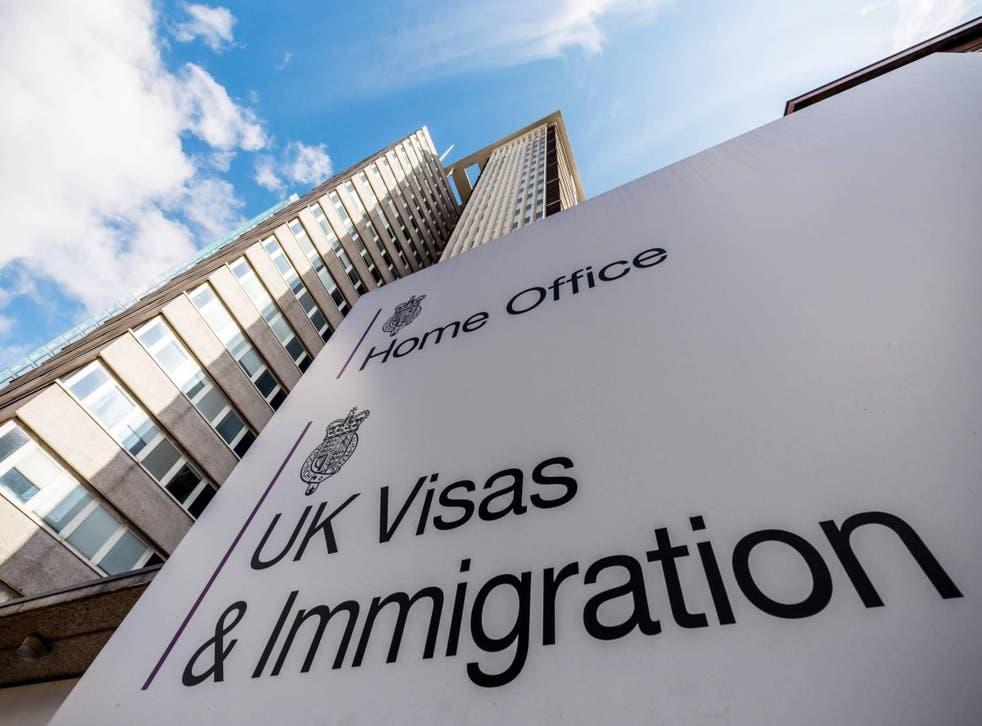
The UK Home Office described the suspension on visa claims as 'unprecedented,' highlighting the severity of the government's response. This action directly impacts students from these four nations who were planning to pursue higher education in the United Kingdom. The policy change underscores the government's intent to tighten legal migration pathways that it believes are being misused.
According to the Home Office, there has been a surge in asylum applications by students from those countries. Officials stated that almost 135,000 asylum seekers in total had entered the UK using legal routes since 2021. This figure provides the context for the government's decision, framing it as a necessary measure to manage the asylum system.
The Home Office presented conflicting data regarding the scale of the issue. On one hand, it said the number of asylum applications by students from the four countries had 'rocketed' by more than 470 percent between 2021 and 2025. This indicates a massive multi-year increase that likely prompted the drastic visa suspension announced this week.
However, the Home Office also claimed the government has 'reduced student asylum claims by 20 percent over the course of 2025.' This statement suggests a recent decrease, creating a contradictory picture of trends within the same year. The discrepancy between a 470 percent surge over four years and a 20 percent reduction in 2025 remains unexplained by the available claims.
Home Secretary Shabana Mahmood addressed the policy in a statement, saying, 'Britain will always provide refuge to people fleeing war and persecution, but our visa system must not be abused.' This quote attempts to balance humanitarian principles with the need for system integrity, acknowledging the UK's tradition of offering sanctuary while justifying the restrictive measures.
The suspension notably affects nations experiencing severe instability. Afghanistan has been under Taliban rule since 2021, Sudan is embroiled in a devastating civil war, Myanmar faces ongoing conflict following the 2021 military coup, and Cameroon deals with separatist violence in its Anglophone regions. For Nigerian observers, this policy highlights how Western nations are recalibrating asylum policies in response to global crises, which could influence similar discussions in Nigeria regarding its own refugee and visa policies.
The broader significance of this move lies in its potential to reshape international student mobility from conflict-affected regions. By targeting specific nationalities, the UK is signaling a more selective approach to its student visa program, traditionally seen as a gateway for skilled migration. The long-term impact on educational ties and the perception of the UK as a study destination remains to be seen, but the immediate effect is a closed door for aspiring students from these four countries.