The line of buses and minivans at the Umuahia park is shorter than usual today. Drivers are leaning against their vehicles, talking in low voices, while passengers wait on benches, checking their phones and looking down the empty road. The usual morning rush is gone, replaced by a tense quiet. People here know this isn't just a slow day; it's a standoff.
Word on the street is the National Union of Road Transport Workers and the government's park controller are locking horns. No one is moving their vehicles until this gets sorted. For the drivers, this means no fares. For the market women who sell plantain chips and soft drinks to travelers, it means no customers. A whole day's income is just gone.
This park is the heartbeat for people trying to get to work, to the hospital, or back to their villages. When it stops, the whole city feels it. Students are late for school. Workers are stuck. The price for the few private cars still running has shot up, squeezing families who are already counting every naira.
We've seen these fights before between the union and the government. It's usually about who controls the park, who collects the fees, and who gives the orders. But for regular people, it's not about power. It's about being able to get where you need to go without your whole day and budget falling apart.
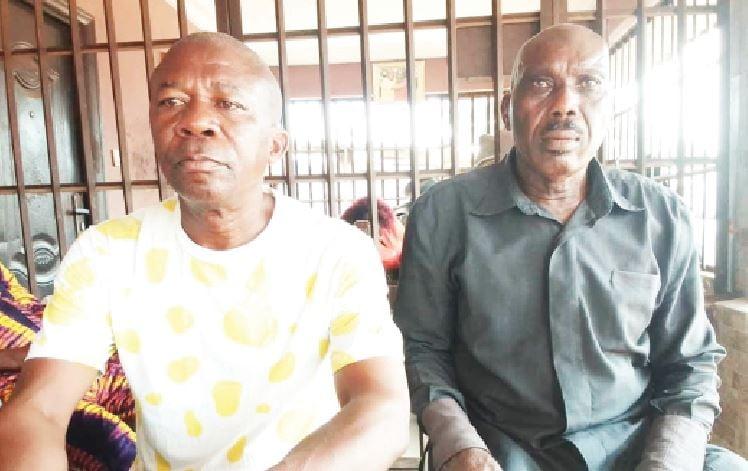
The silence at the park is loud. You can hear the frustration in the voices of the drivers. One man, who didn't want his name used, just shook his head. 'How do they expect us to feed our families?' he asked. He pointed at his empty bus. 'That bus sitting there pays for my children's school books.'
Small shops around the park are feeling the pinch too. Mama Ngozi's kiosk sells airtime and cold water. She says her sales have dropped by more than half since the dispute started. 'My shop lives on the people coming and going,' she says. 'Now, it's like a ghost town. This fight is starving all of us.'
These clashes create a cycle of uncertainty. Every time there's a new argument over control, it's the workers and passengers who pay the price first. It makes planning anything—a doctor's appointment, a market trip—a gamble. People are tired of their daily lives being held hostage by disputes they have no say in.
For now, everyone is waiting. Drivers are waiting for a signal to start their engines. Passengers are waiting for a bus. The community is waiting to see who blinks first in this power struggle. Until then, the park remains quiet, and the cost of this dispute keeps adding up for every family trying to make it through the week.