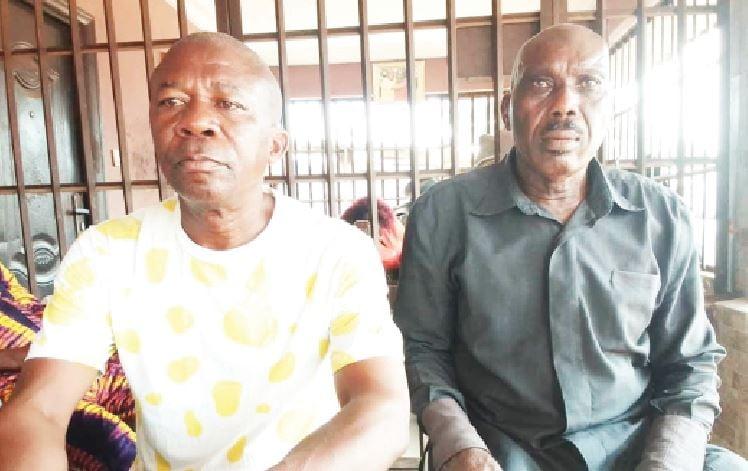
In Umuahia, the capital of Abia State, the most contested piece of real estate isn't a government building or commercial property—it's a motor park. Currently, the National Union of Road Transport Workers (NURTW) and a local park controller are locked in a power struggle over control of this vital transit hub, threatening to disrupt transport operations across the state capital.
The Battle for the Gate
This conflict represents more than a simple administrative disagreement. The NURTW is a national union with established authority over Nigeria's road transport networks, while local park controllers often represent municipal interests or individual enterprises. When these forces collide, the result is a territorial dispute with economic implications that extend far beyond parking spaces.
Why This Matters
Control of Umuahia's primary motor park means control of significant revenue streams. Daily fees from thousands of vehicle movements represent an economic lifeline—funding that supports union activities, contributes to local government coffers, or benefits individual operators. This struggle exemplifies the classic Nigerian contest over 'gate' control, where the gatekeeper determines both traffic flow and financial flow.
Impact on Daily Operations
According to five separate sources, the dispute has become public enough to disrupt normal transport rhythms. Commuters report confusion over which tickets to purchase, while drivers face pressure from competing authorities. The specific manifestations of the conflict may include physical occupation of park offices, rival fee collection efforts, or exchanges of official correspondence between union and local government representatives.
The Bigger Picture
This confrontation in Umuahia reflects broader tensions within Nigeria's transport ecosystem, where national unions, state interests, and local operators frequently negotiate—and sometimes clash over—control of critical infrastructure. The outcome will not only determine who collects fees at this particular park but may set precedents for similar disputes elsewhere in Abia State and beyond.
As the situation develops, all eyes remain on how state authorities will intervene to restore order while addressing the legitimate concerns of all stakeholders in Umuahia's transport network.