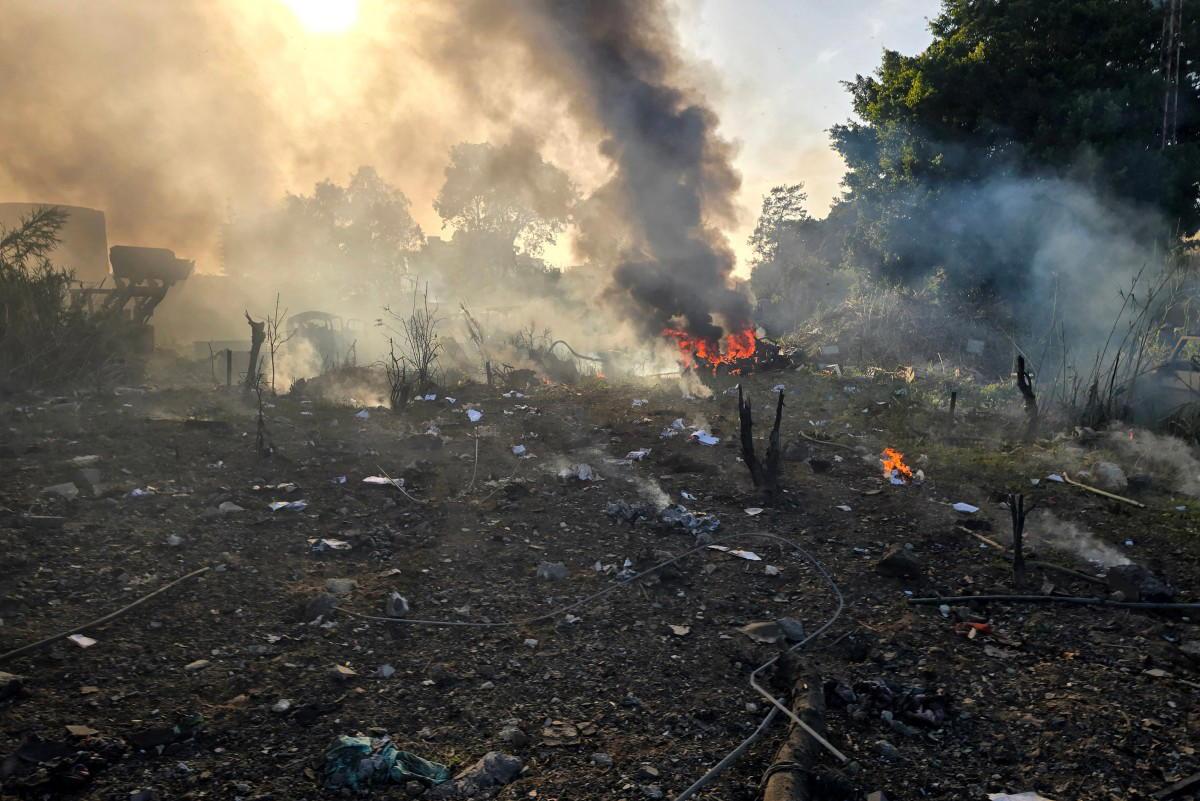
Ghanaian soldiers serving with the United Nations Interim Force in Lebanon (UNIFIL) have been wounded in an attack on their patrol in southern Lebanon. The incident marks a serious escalation in a region that has simmered with tension for years, directly targeting the international forces tasked with maintaining stability.
The Attack and the UNIFIL Mission
The attack occurred in southern Lebanon, a long-time flashpoint. UNIFIL has operated in the area since 1978, with a mandate to monitor the cessation of hostilities and the Blue Line—the demarcation line between Lebanon and Israel. In recent months, the Blue Line has seen near-daily exchanges of fire between Hezbollah and the Israeli military, placing UN patrols in a precarious position.
A Violation and a Warning
Attacks on United Nations personnel constitute a grave violation of international law. More broadly, this incident serves as a stark warning about the fragility of the peacekeeping mission's environment. When the forces sent to de-escalate and monitor become targets themselves, it undermines their authority and their ability to fulfill their mandate to restore peace and security.
Implications for Stability and Monitoring
The immediate consequences involve investigations and heightened security for patrols. In the longer term, such attacks can restrict UNIFIL's freedom of movement—a point of historical contention. If peacekeepers are forced to operate more cautiously or are blocked from key areas, their capacity to monitor violations and report on ceasefire breaches is severely diminished. This erosion of oversight can create a vacuum where miscalculation and escalation become more likely.
The Human Cost
Behind the geopolitics are the Ghanaian soldiers and their families, who face the direct human cost of this violence. Their service as peacekeepers in a high-risk zone underscores the global commitment to stability, even as it highlights the personal risks involved.
This attack is more than an isolated event; it is a symptom of the rising tensions in the region and a direct challenge to the international peacekeeping apparatus designed to contain them.