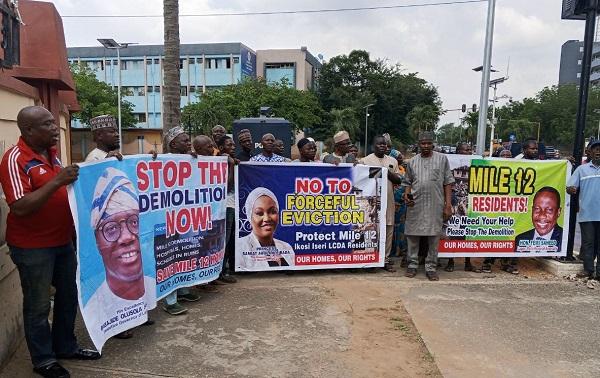
The phrase 'unending demolition' is not rhetorical for residents of Lagos's Mile 12 area. It is a literal description of a reality where the destruction of homes and businesses occurs in sporadic, relentless waves, leaving the community in a state of perpetual limbo.
A Grinding Condition, Not a Single Event
This is not a story with a neat timeline ending with a 'bulldozer day.' The consistent use of 'unending' by residents points to a series of actions that have stretched over time, eroding community resilience. Each new wave of demolition renews trauma and deepens uncertainty, systematically preventing any sense of closure or the possibility of rebuilding lives, livelihoods, or physical structures.
The True Cost: More Than Bricks and Mortar
Property here represents far more than structures. It encompasses family homes, small businesses, and the accumulated financial and emotional investment of a lifetime. The demolition of these assets strikes directly at economic security and community stability. When the process feels endless, it paralyzes the entire area, actively discouraging any new investment or essential repairs, trapping residents in what many describe as a 'decaying purgatory.'
The Critical Unanswered Questions
A profound lack of clarity hangs over the neighborhood. Who is authorizing these actions, and under what mandate? Is this an official urban renewal or infrastructure project that has lost its timeline and proportionality? Or does it reflect a more chaotic scenario involving multiple actors? The sustained outcry from Mile 12 suggests a severe breakdown in communication, transparency, and due process from responsible authorities.
The Immeasurable Daily Toll
The human impact extends beyond material loss. The psychological burden of living under a perpetual threat—wondering if today is the day the machinery returns—fundamentally disrupts daily life. Sending children to school, operating a market stall, or simply finding restful sleep becomes a challenge against a backdrop of instability and fear. The story of Mile 12 is a urgent case study in how urban development, when untethered from community engagement and clear process, can become a source of continuous trauma.


