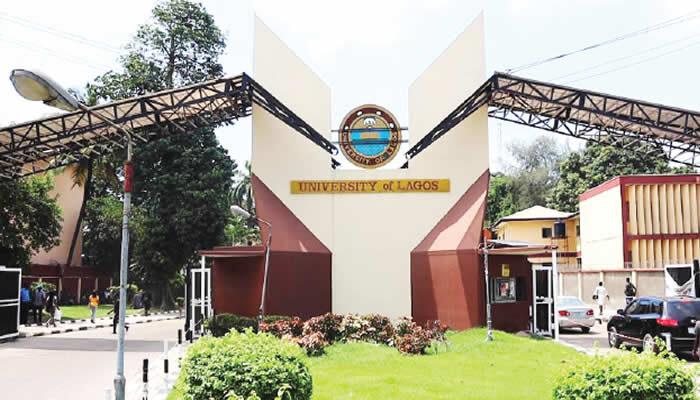
In a quiet lecture hall on the University of Lagos campus, the only sounds are the scratch of pens and the rustle of exam papers. Final year students bend over their desks, their faces etched with concentration. Outside the hall, the usual buzz of campus life carries a nervous edge, as the threat of an academic shutdown hangs over the entire institution.
The Standoff Between Management and Union
The university's decision to proceed with ongoing examinations comes despite a public threat of strike action from its chapter of the Academic Staff Union of Universities. The union has signaled its readiness to down tools, a move that would typically bring all academic activities, including examinations, to an immediate halt. This creates a direct confrontation between the university's management, which is pushing to complete the academic session, and the academic staff, who are preparing for industrial action.
Students Caught in the Middle
Students find themselves caught in the middle of this standoff. Many have expressed anxiety about the uncertainty, worrying that a strike could interrupt their exams mid-session and delay their graduation. 'We just want to finish,' said one final year student, who asked not to be named. 'We've been through so much disruption already. The thought of another strike right now is terrifying.'
Management's Calculated Risk
The university's administration appears determined to maintain academic continuity. By insisting that exams continue as scheduled, officials are likely trying to prevent a complete collapse of the academic calendar, which has suffered repeated disruptions from union actions in recent years. This move represents a calculated risk, betting that the exams can be concluded before any potential strike takes full effect.
The Broader Context of ASUU Actions
For the academic staff, the threat of a strike is a leverage tool in ongoing negotiations with the university management. While specific grievances prompting this particular strike threat aren't detailed in available information, such actions by ASUU chapters typically revolve around issues like welfare, working conditions, and university funding. The outcome of these negotiations will determine whether UNILAG students can complete their academic session uninterrupted or face yet another educational disruption.