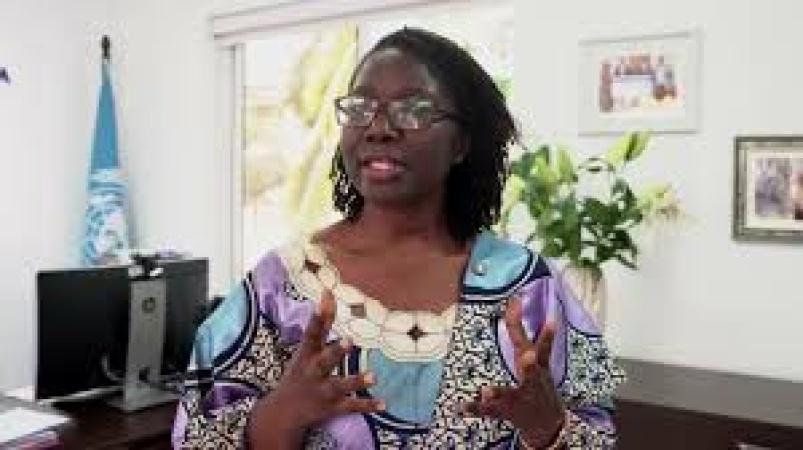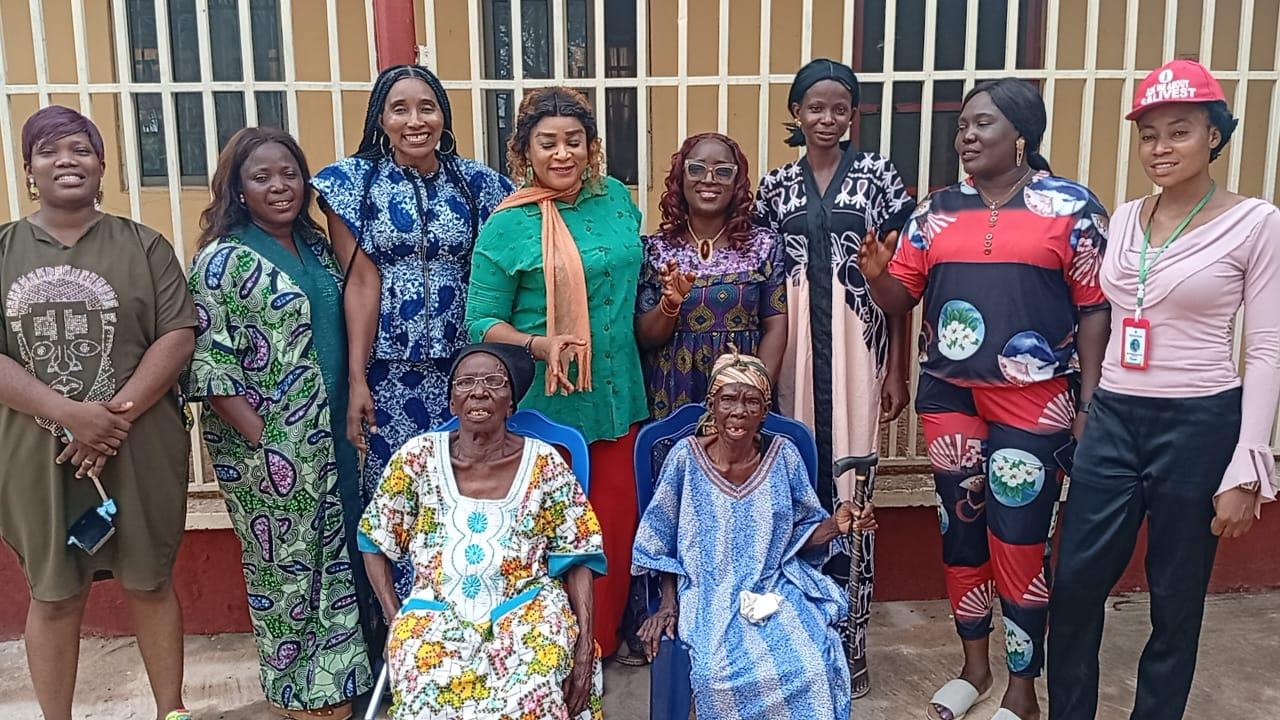
Chisom Lorita Nnonyelu, a 30-year-old visually impaired student, is pursuing her academic ambitions at Nnamdi Azikiwe University (UNIZIK) in Awka, Anambra State. She is enrolled in the Guidance and Counselling Department within the Faculty of Education, a field dedicated to supporting others through life's challenges. Her own journey as a student with a disability provides a profound lived context for her chosen course of study.
Beyond her studies, Chisom is an active entrepreneur and the Founder and Chief Executive of Lorit-C Events. Her business ventures include catering and producing popular snacks like chin chin and peanuts. She has also expanded her enterprise to include the production of liquid soap for cleaning, demonstrating a versatile approach to self-reliance and economic participation.
In a significant move to share her vision, Chisom recently organised a special empowerment programme at the University Auditorium. The event carried the theme 'Out of sight is not out of vision,' directly challenging perceptions about the capabilities of persons with disabilities. This initiative underscores her commitment to translating personal resilience into community impact and inspiration.
Her story of overcoming adversity is set against a backdrop of local tragedy. In 2007, a bus carrying 17 young students on their way to write the Unified Tertiary Matriculation Examination (UTME) plunged into the river at Omenuko Bridge, with no survivors. This historical incident remains a somber reminder of the infrastructural and safety challenges facing Nigerian students and travellers.
The danger at that location persists, as recently as December 2024, when eight Christmas travellers lost their lives in another fatal crash at the same Omenuko Bridge spot. These repeated tragedies highlight an urgent, unresolved issue of road safety and infrastructure maintenance in the region, casting a shadow over community mobility and security.
In a separate, international development, the British government announced on Tuesday that it would stop issuing education visas to nationals from Afghanistan, Cameroon, Myanmar, and Sudan. It will also halt work visas for Afghans. This policy shift represents a significant tightening of the UK's immigration rules for citizens of these specific countries.
The UK Home Office justified the move by citing a surge in asylum applications by students from those nations. Officials stated that almost 135,000 asylum seekers in total had entered the UK using legal routes since 2021. Home Secretary Shabana Mahmood emphasized in a statement, 'Britain will always provide refuge to people fleeing war and persecution, but our visa system must not be abused.'
The scale of the increase is substantial; the Home Office said the number of asylum applications by students from the four listed countries had 'rocketed' by more than 470 percent between 2021 and 2025. However, the government also claims a measure of success in curbing this trend, stating it has 'reduced student asylum claims by 20 percent over the course of 2025.' These statistics frame a complex global narrative of migration, education access, and border policy.