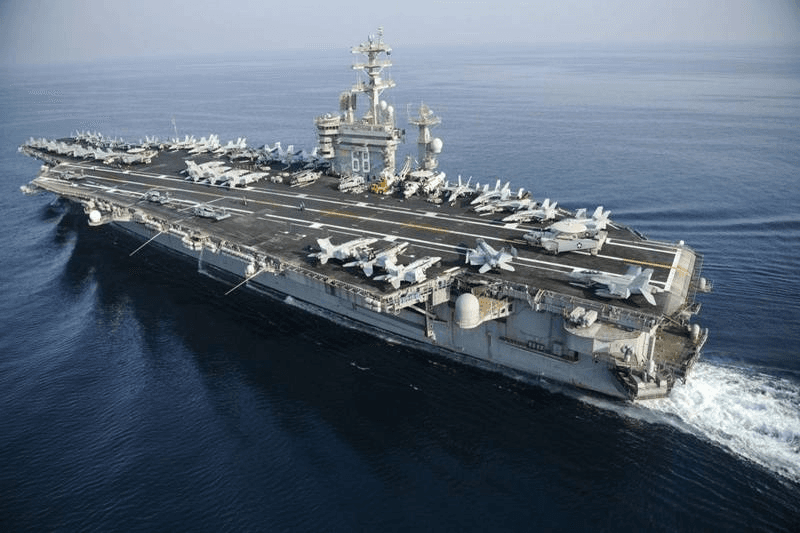
The Pentagon is deploying additional United States Marines and naval vessels to the Middle East, according to multiple reports. This move represents a notable adjustment to US force posture in a region long characterized by instability and simmering tensions.
A Tangible Commitment of Resources
While specific numbers and ship names remain undisclosed in initial reports, a deployment of this scale is never incidental. It constitutes a tangible commitment of personnel and hardware, underscoring a serious intent to maintain a robust and visible presence. Such movements are deliberate signals in the complex language of international security.
Strategic Purposes of the Reinforcement
Military reinforcements of this nature typically serve dual, interconnected purposes. Primarily, they act as a deterrent, signaling to potential adversaries that the United States possesses both the capability and the political will to respond decisively if necessary. Secondly, they provide regional commanders with increased flexibility and more options, whether for enhanced force protection, rapid crisis response, or bolstering the security of allied nations.
Deployment in a Volatile Context
This decision unfolds against a backdrop of persistent regional friction. The Middle East remains a strategic tinderbox, with longstanding tensions between regional powers and with the United States itself. The introduction of additional military assets is a classic power-projection maneuver, yet one that inherently carries risk. The critical question remains: Will this demonstration of strength have a stabilizing, deterrent effect, or could it inadvertently escalate an already tense situation?
The Logistical Reality
For the service members involved, this order translates to a complex deployment operation. Mobilizing Marine units and naval battle groups is a monumental logistical undertaking, encompassing the transport of thousands of personnel, the prepositioning of supplies, and the sustained readiness of ships far from home. It is a mission that will engage the Navy and Marine Corps extensively for the foreseeable future.
The exact destination within the US network of bases and partner facilities across the Middle East—from the Arabian Gulf to the Eastern Mediterranean—is often kept vague in initial announcements. Wherever they are stationed, these forces will integrate into the existing US security architecture, a framework that has been continuously tested in recent years.