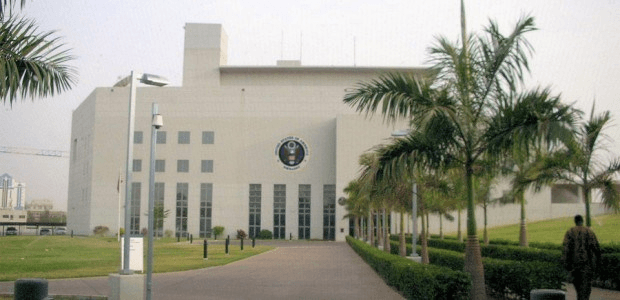
The Embassy of the United States in Abuja has issued a stark security alert to its citizens in Nigeria, warning of a high likelihood of protests occurring in the capital on Wednesday, March 4, 2026. This warning is directly linked to the ongoing and escalating conflict involving Iran, indicating how geopolitical tensions can spill over into local security situations far from the epicenter. The embassy has strongly recommended that all U.S. citizens in Abuja remain in their residences on that day for their safety.
The alert is not without precedent, as previous demonstrations by some groups in the capital had turned violent. According to the embassy's information, earlier protests had resulted in 'violent clashes between the group and Nigerian security forces.' This history of unrest underscores the potential for rapid escalation when international conflicts resonate with local groups, creating a volatile mix that challenges law enforcement and endangers public order.
The conflict at the heart of this alert is the intensifying war in the Middle East. Satellite images have shown the impact of the US and Israel’s strikes in Iran and Iran's retaliatory strikes across the region. A key figure in this crisis is Iran's supreme leader, Ayatollah Ali Khamenei, who was 86 years old when he was killed, reportedly in US-Israeli strikes. However, there is a conflicting report from Israel's Defence Minister, Israel Katz, who threatened on Wednesday to assassinate any Iranian leader picked to succeed Khamenei, creating ambiguity over the current leadership status and the timeline of events.
Iranian leadership has taken a hardline stance, stating it has no intention of negotiating with the United States and can continue the Middle East war for as long as needed. A representative was quoted saying Iran had 'no trust in the Americans and we have no basis for any negotiations with them.' This declaration of protracted conflict suggests a long-term destabilization of the region, with no diplomatic off-ramp in sight, which has direct consequences for global security and economics.
The economic fallout is immediate and severe, particularly in global energy markets. Prices jumped on Tuesday as Tehran attacked ships and energy facilities, closing navigation in the Gulf and forcing production stoppages from Qatar to Iraq. This disruption to vital shipping lanes and production sites has triggered a supply shock, sending commodity markets into turmoil and threatening the economic stability of energy-importing nations worldwide.
The oil market reacted sharply, with the benchmark Brent crude oil contract settling up $3.66, or up 4.7%, at $81.40 a barrel. This marks its highest settlement since January 2025. Simultaneously, European gas prices soared as much as 40% before paring gains, adding to a 40% surge on Monday. These staggering increases illustrate the vulnerability of the global economy to Middle Eastern conflicts and the speed at which energy security can be compromised.
The crisis is forcing major producers to cut output. Iraq, OPEC’s second-largest producer, said it may be forced to cut production in a few days by more than 3 million barrels per day if oil tankers cannot move freely to loading points. As of Tuesday, Iraq has already decreased production from the Rumaila oil field by 700,000 barrels per day and cut 460,000 barrels per day from the West Qurna 2 field. These preemptive cuts signal a looming supply crisis that could push prices even higher if the conflict persists.
For Nigeria, a nation heavily reliant on oil revenues, these global price spikes present a complex picture of potential fiscal gain overshadowed by local instability. The US Embassy's warning of protests in Abuja, fueled by this distant war, shows how international conflicts can manifest domestically. Nigerian authorities now face the dual challenge of maintaining public order in the capital while navigating the economic implications of a war that is reshaping global energy flows and geopolitical alliances.