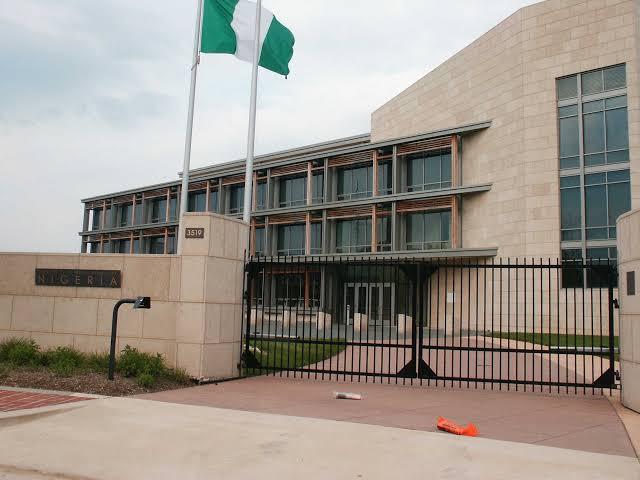
The US Embassy in Nigeria has issued a formal security alert, warning of potential terror threats specifically targeting educational institutions and public facilities across the country. This advisory urges US citizens and local partners to exercise heightened vigilance and implement precautionary measures.
Understanding the Targets: Schools and Public Spaces
The alert identifies schools and public gathering places—such as government buildings, markets, places of worship, and transportation hubs—as potential 'soft targets.' These locations are often vulnerable due to the high concentration of people and the significant psychological and human impact an attack would cause.
The Broader Security Context in Nigeria
To grasp the gravity of this warning, one must consider Nigeria's multifaceted security challenges. For over a decade, the northeastern region has been plagued by an insurgency led by Boko Haram and its splinter group, the Islamic State West Africa Province (ISWAP). These groups have a documented history of attacking civilian targets and have been responsible for the abduction of hundreds of students in notorious incidents.
The threat is not confined to the northeast. So-called 'armed bandits' frequently raid villages and schools for ransom in the northwest and central regions. Additionally, separatist agitations in the southeast contribute to a nationwide climate of instability. The US Embassy's non-specific warning suggests credible intelligence of a potential attack within this volatile environment.
Immediate Repercussions and Security Responses
Such an alert triggers immediate action. Educational institutions are likely reviewing and enhancing perimeter security, updating emergency protocols, and possibly considering temporary activity suspensions. Managers of public facilities and businesses are advised to increase access control, surveillance, and staff training for crisis situations.
This warning underscores the persistent and evolving nature of security threats in Nigeria, demanding constant vigilance from both authorities and the public.