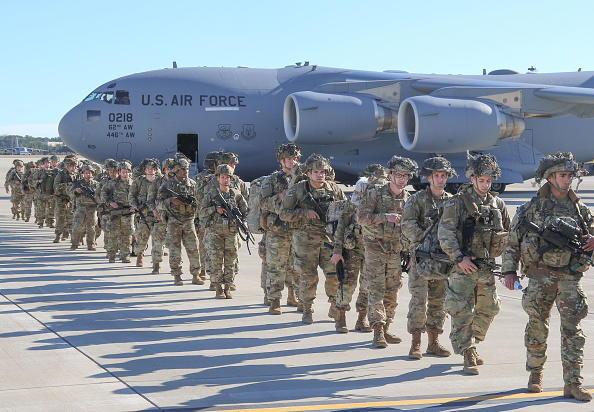
The United States military has launched one of its largest operations in decades, striking nearly 2,000 targets in Iran in a severe escalation of the regional conflict. A senior US commander compared the scale to being "nearly double" the opening "shock and awe" strikes on Iraq in 2003.
A Conflicting Narrative
Despite the massive US campaign, the situation on the ground remains complex and contradictory. Hours before the US announcement, Iran launched a barrage of missiles toward Israel, triggering sirens in Jerusalem and Tel Aviv. This successful launch raises significant questions about US claims to have "severely degraded" Iran's missile capabilities. Reports on the outcome in Israel are also conflicting, with some sources claiming no direct impacts while others report falling shrapnel causing a fire near Jerusalem.
The Immediate Fallout: A Global Oil Shock
The geopolitical tremors have instantly hit global markets. The price of Brent Crude oil surged sharply following the Iranian missile launch and subsequent US offensive. For oil-importing nations like Nigeria, this external shock translates directly into higher landing costs for refined petroleum products.
The Nigerian Impact: Another Fuel Price Hike Looms
Nigerians, already grappling with high costs of living, are set to bear the brunt of this global crisis. The rising international oil price inevitably pressures the Nigerian National Petroleum Company (NNPC) Limited and other marketers to adjust pump prices upward. This means increased costs for transportation, power generation, and goods—further squeezing household budgets.
What This Means for Nigeria
This conflict underscores Nigeria's vulnerability to external oil market shocks. While the nation is a crude oil producer, its reliance on imported refined products makes consumers directly susceptible to global price spikes triggered by distant wars. The escalating US-Iran conflict is not just a Middle Eastern issue; its economic shockwaves are already being felt on Nigerian streets.


