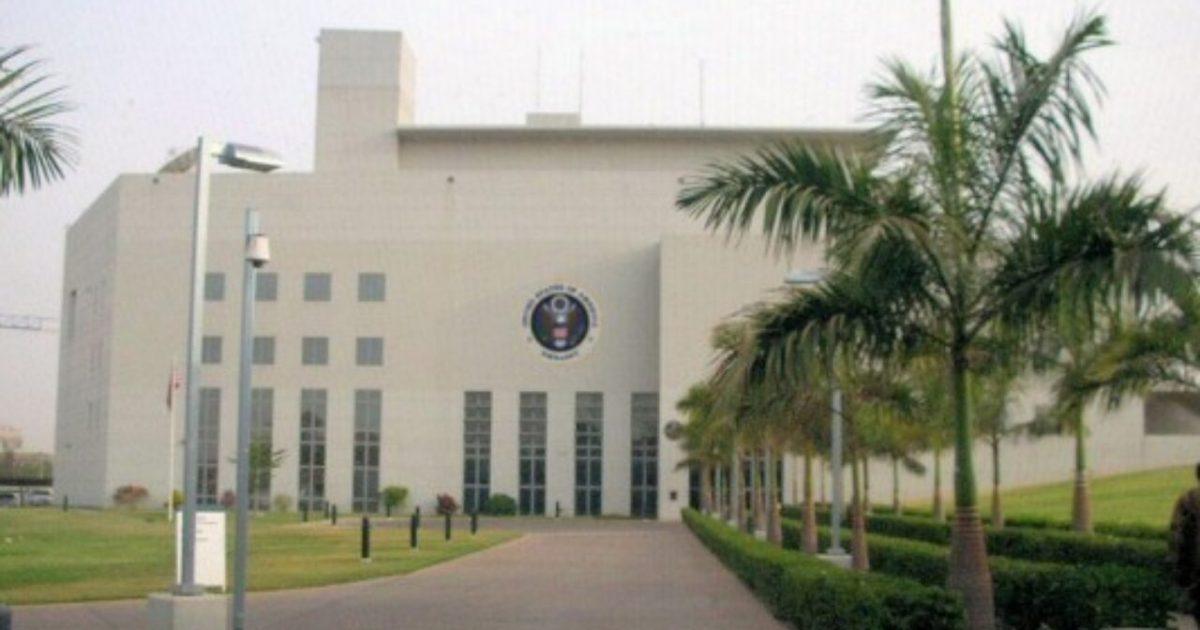
The US government has issued a new security alert for American citizens in Nigeria, signaling a heightened risk of terrorist attacks across the country. The warning urges increased vigilance and immediate review of personal security measures.
What the Alert Says
The travel advisory doesn't specify a particular terrorist organization or pinpoint exact locations under threat. This is typical of intelligence-based warnings where authorities detect increased risk patterns before all operational details become clear. However, the core message remains unambiguous: credible intelligence suggests attack planning is underway.
Immediate Recommendations for Americans
US citizens in Nigeria are advised to:
- Review and update personal security plans
- Avoid areas where large crowds gather
- Monitor local media for developments
- Register with the US Embassy's Smart Traveler Enrollment Program (STEP)
- Follow @USEmbassyAbuja on social media for updates
The US Embassy in Abuja will provide more specific guidance to registered citizens and diplomatic personnel as the situation develops.
Nigeria's Security Landscape
This warning comes amid Nigeria's ongoing security challenges. The northeast continues to face threats from Boko Haram and its splinter groups, while the northwest experiences increasing banditry and kidnapping incidents. These overlapping crises create what security analysts describe as a "complex and volatile threat environment."
Understanding Travel Advisories
Government travel warnings exist on a tiered system, with this latest alert representing an escalation from previous advisories. Such alerts aren't issued lightly—they typically follow specific intelligence indicating attack planning has reached an operational stage.
For Nigerian residents, security concerns remain part of daily life. For foreign governments, however, the responsibility to warn citizens when risk parameters change triggers these formal alerts.
Looking Ahead
Security experts recommend travelers maintain flexible itineraries and establish multiple communication channels. The coming days will likely see increased security presence around diplomatic facilities and major hotels frequented by foreign visitors.
As one security analyst noted: "Think of this like a weather alert for a developing storm. You might not know exactly where it will hit hardest, but you know it's time to take precautions."


