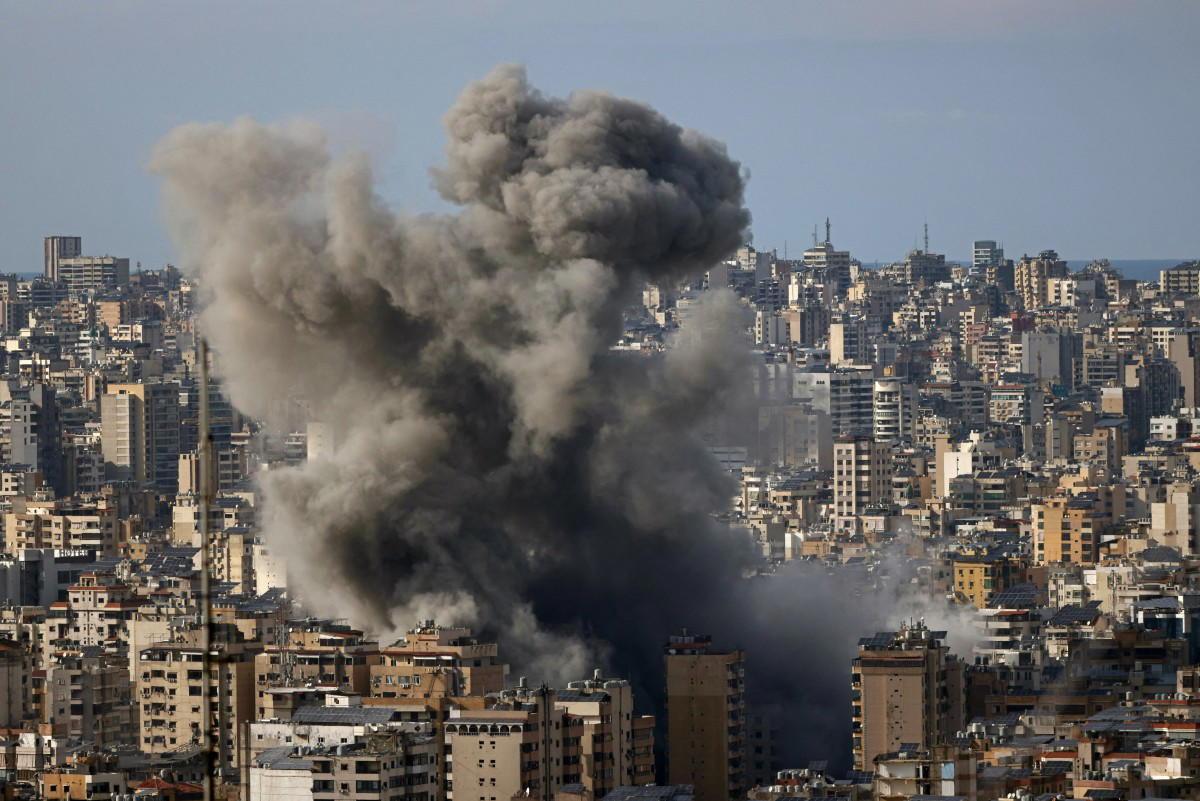
The warning came straight from the top: the US War Department says today will be the heaviest day of strikes on Iran. People here woke up to that news, not knowing if it meant more explosions in the distance or a sudden spike in the price of bread. For families just trying to get by, a statement like that isn't about strategy; it's about whether their cousin in Tehran is safe, or if the little shop they run will have any customers.
In the markets, the talk isn't about geopolitics. It's about the cost of lentils and rice, which always shoots up when the news turns bad. 'First they talk, then they fight, and we pay for it at the store,' said one woman buying vegetables, her words summing up the feeling on the street. People have seen this pattern before—big powers make moves, and the little guy feels the squeeze in his pocket and the fear in his gut.
This isn't just another day of tension. Calling it the 'heaviest day' means something bigger is coming. For workers, it means wondering if the factory will stay open. For students, it means parents might keep them home from school. The uncertainty is the worst part, a thick cloud that hangs over everything, making it hard to plan even a simple trip to see family.
You don't need a security briefing to understand what 'heaviest strikes' could mean. It means more noise in the sky, more news alerts on phones, more hushed conversations in tea shops. It means mothers checking on their children more often and fathers listening extra close to the radio for any local updates. The community's rhythm is set by these external forces, and today the beat is ominous.
The US saying this so plainly changes things. It's not a rumor or a leak; it's an official warning. That makes people prepare, even if they don't know what they're preparing for. Some are stocking up on basics, while others are just trying to stay calm and go about their day, refusing to let the fear win. There's a stubborn pride in that, a determination to keep living.
But beneath the surface, everyone is asking the same question: what happens after today? If this is the peak, does it mean things start to calm down tomorrow? Or is this just the beginning of something much longer and darker? No one has those answers, so people hold their loved ones a little closer and hope the night passes quietly.
For this community, far from the decision-makers but close to the consequences, a heavy strike day is measured in disrupted lives, not military targets. It's about the truck driver who can't get his goods across the border, the student whose scholarship might get frozen, the family waiting for a remittance that may never arrive. The macro conflict becomes a thousand micro crises.
The sun will set, and people will wait. They'll listen for sounds that don't belong, watch the horizon for flashes, and check in with each other. The real story tomorrow won't just be in official reports; it'll be in the tired eyes of people who spent a day under a warning, hoping their world remains intact.