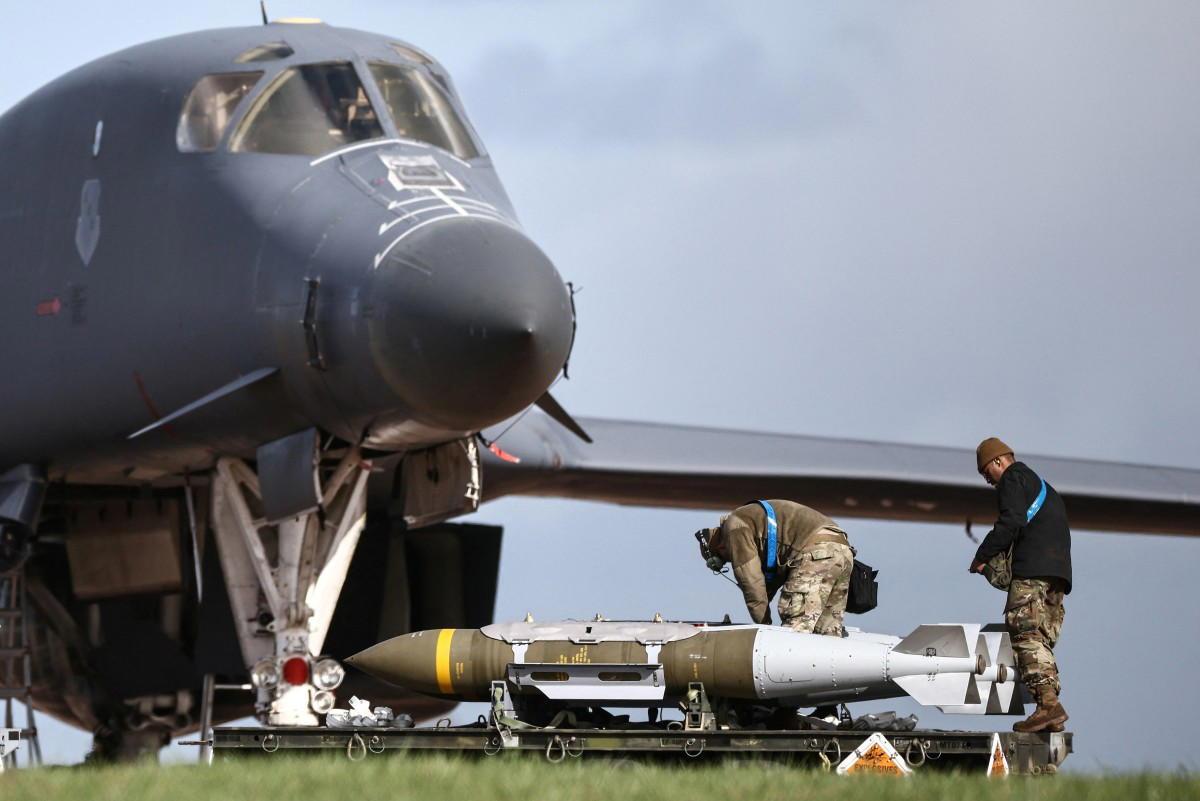
The United States has issued a stark warning: it is now considering military strikes against Iran's civilian ports. This represents a significant escalation in rhetoric, moving beyond traditional military or nuclear sites to explicitly include critical economic infrastructure.
Targeting Economic Lifelines
Ports like Bandar Abbas and Chabahar are not just docks—they are vital hubs for Iran's non-oil trade, handling essential goods, food, medicine, and humanitarian supplies. Striking these facilities would aim to cripple Iran's economy by severing a primary artery for imports and exports, directly impacting the daily lives of ordinary Iranians.
A Calculated Strategy of Pressure
This warning appears to be a calculated move to apply maximum economic pressure through military threat. The strategy seems designed to coerce Iranian policy changes by threatening foundational elements of its civilian economy. Historically, such warnings have preceded periods of heightened military readiness and diplomatic brinksmanship.
Legal and Humanitarian Red Lines
Executing strikes on civilian ports would constitute a major breach of international norms regarding the protection of non-combatant infrastructure during conflict. Such actions would likely trigger immediate condemnation from global bodies and could violate principles of distinction and proportionality under international humanitarian law. The legal and reputational consequences for the attacking nation would be severe.
Expanding the Battlefield
Compared to previous US postures focused on nuclear facilities or Revolutionary Guard assets, targeting ports expands the battlefield conceptually. It signals a willingness to engage in economic warfare through kinetic means—a tactic with profound humanitarian implications. The collateral damage from such operations would inevitably impact regional food and medical supply chains, creating ripple effects beyond Iran's borders.
What Comes Next?
The operational risk remains high, and regional tensions are poised to escalate further. As both nations navigate this dangerous new phase, the international community will be watching closely to see whether economic pressure through military threat becomes a new norm in geopolitical confrontations.