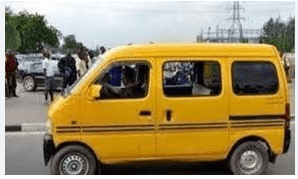
The bus fare to the market doubled overnight. That's the first thing people in communities across affected regions are talking about this morning—not the headlines from a war halfway across the world. For families like Amina's, who rely on public transportation to get to work and school, that extra cost means cutting back on essentials like food or medicine. It's a direct, unexpected hit to household budgets that illustrates how global conflicts create local economic crises.
The Transportation Squeeze
This situation isn't primarily about geopolitics; it's about the practical economics of diesel fuel and the fear gripping suppliers. Transportation operators report their costs have skyrocketed because fuel shipments face significant delays or rerouting due to conflict-related disruptions. The resulting uncertainty means every trip costs more, and those increased expenses transfer directly to passengers through higher fares. With no immediate relief in sight, commuters face longer lines and emptier wallets at week's end.
The Generator Paradox
Beyond transportation challenges, evidence of economic strain appears in unexpected places. Behind shops and in residential alleys, brand new power generators remain in their plastic wrapping, accumulating dust. Last month, widespread concern about potential blackouts—should the conflict disrupt energy supplies—triggered a buying frenzy for these backup systems. Now, with household budgets stretched thin by transportation costs, paying to fuel and maintain these machines has become an unaffordable luxury for many.
When Backup Plans Fail
Community members purchased generators as emergency lifelines—solutions to keep lights on and refrigerators running if grid stability wavered. However, operational reality has proven different. 'We pooled our money as a building to buy one,' explained shopkeeper Mr. Hassan, 'but the fuel is too expensive now. It sits there like a monument to our worries.' This abandoned backup plan symbolizes how precautionary measures can become economic burdens when secondary effects of conflict intensify.
The Global-Local Connection
The connection between distant warfare and local bus fares might seem abstract, but in today's interconnected global economy, instability anywhere reverberates everywhere. Sanctions, increased shipping insurance premiums, and nervous financial markets collectively trickle down to main streets worldwide. This phenomenon transforms far-off conflicts into personal, urgent concerns for ordinary people managing household economies.
Small Business Impact
For small business owners, this represents a dual crisis. Increased transportation costs affect both their supply chains and their customers' spending power, while investments in backup systems sit idle due to operational expenses. This economic pressure creates particularly challenging conditions for local enterprises already navigating post-pandemic recovery.