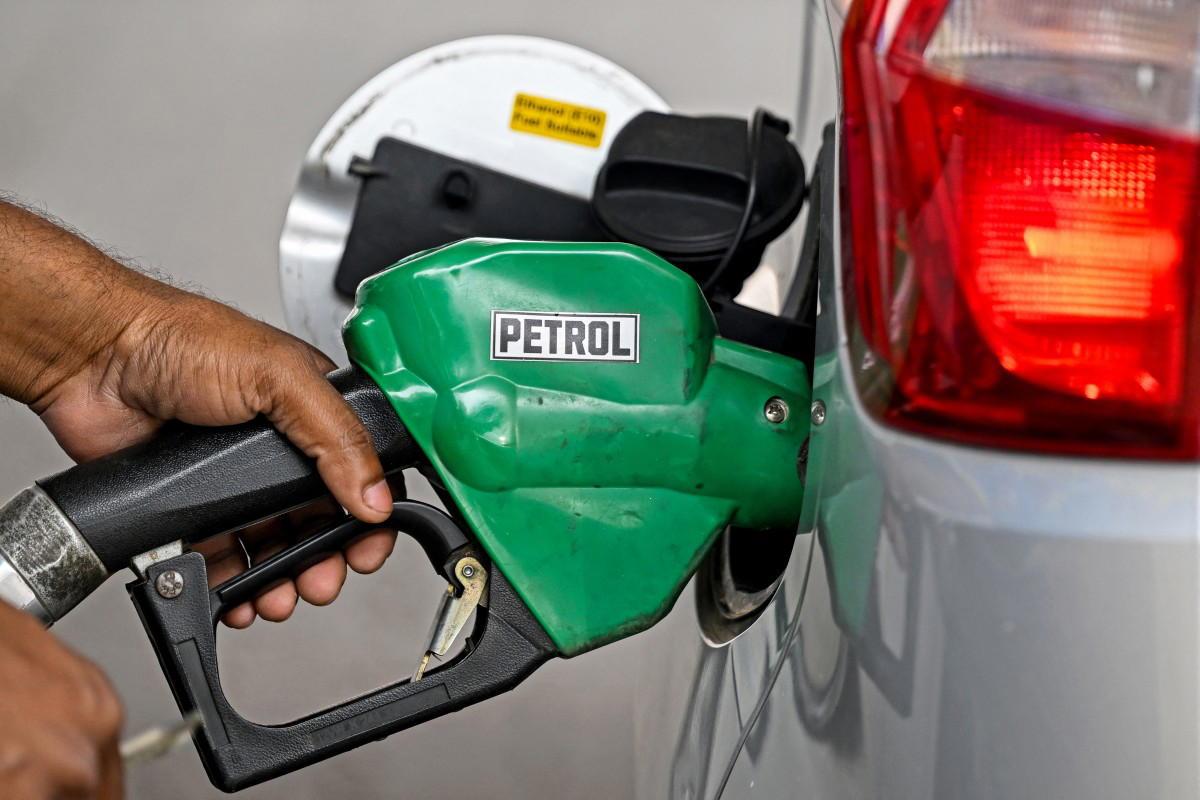
The ongoing conflict in the Middle East has triggered a sharp rise in global oil prices, leading to significant increases at fuel pumps worldwide. In response, a prominent workers' advocacy group has issued a urgent call for economic relief, framing the situation as an immediate threat to financial stability for working families and small businesses.
The Price Spike and Its Cause
Geopolitical tensions in a key oil-producing region have disrupted supply chains and market confidence, leading to volatility and sustained price increases for crude oil. This cost is being passed directly to consumers in the form of higher prices for gasoline, diesel, and heating fuels.
The Call to Action
In a public statement, the workers' coalition argued that market forces alone cannot address the crisis. "Working families cannot absorb these costs," the statement read. The group is pressing governments to consider a suite of interventions, including targeted subsidies for essential workers and vulnerable populations, temporary price stabilization measures, and support for businesses heavily reliant on transportation.
The Ripple Effect on the Economy
The impact extends far beyond the gas station. Transportation is a core cost input for nearly all goods and services. As fuel prices rise, so do the costs of food production, logistics, and manufacturing. Economists warn this creates inflationary pressure across the board, eroding purchasing power and potentially slowing economic growth.
What Happens Next?
The workers' group has vowed to lobby policymakers directly. Meanwhile, market analysts are watching central banks closely, as persistent energy-driven inflation could influence the timing of future interest rate decisions, affecting mortgages, loans, and broader economic conditions for months to come.