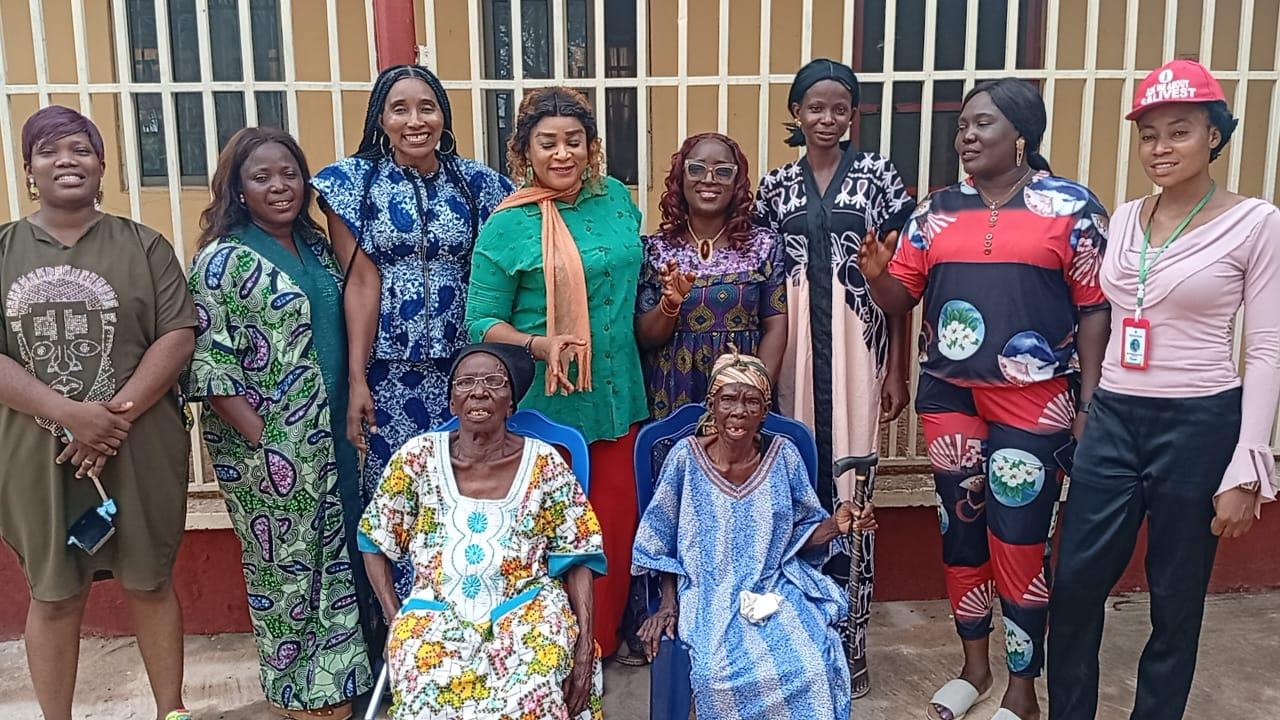
Zamfara State's First Lady marked International Women's Day with a public reaffirmation of her commitment to strengthening support for women across the state. The annual declaration serves as a key benchmark for the administration's stated priorities on gender issues, though it represents continuity rather than a new policy direction.
The Context: Promises Amid Pressures
International Women's Day provides a global platform for such commitments, placing local promises within a wider context of advocacy. For Zamfara—a state grappling with complex security concerns and economic pressures—focused support for women is frequently framed as essential to community resilience. The First Lady's role, while not an elected executive office, carries significant influence in shaping social programs and public discourse on welfare.
What 'Strengthening Support' Could Mean
The commitment to 'strengthen support' implies building upon or improving current systems rather than creating them from scratch. In practical terms, this could involve scaling existing initiatives in several key areas:
- Maternal Health: Expanding access to healthcare facilities and services
- Economic Empowerment: Growing micro-finance opportunities and business support
- Education Access: Improving educational pathways for women and girls
- Legal Aid Services: Enhancing support for women navigating legal systems
The Gap Between Pledge and Implementation
Analytically, such pledges are common on symbolic dates but require concrete follow-through in budget allocations and program implementation to achieve tangible impact. The announcement notably lacked specific, measurable targets, making it difficult to assess the scale or ambition of the proposed strengthening.
The effectiveness of past commitments forms the baseline against which this new affirmation will be judged by stakeholders and community members. For women in Zamfara, who often bear a disproportionate burden during periods of instability, strengthened support could significantly affect daily life—if properly resourced and executed.
Looking Ahead: The Real Test
The real test of this commitment will emerge in observable changes to service delivery or resource distribution in upcoming fiscal cycles. Monitoring the next budget allocation for women's programs will provide the first concrete indicator of how this pledge translates into actionable support.
As with all policy declarations, the practical meaning hinges entirely on the specific interventions that follow—and whether they address the critical needs of women in one of Nigeria's most challenging regions.