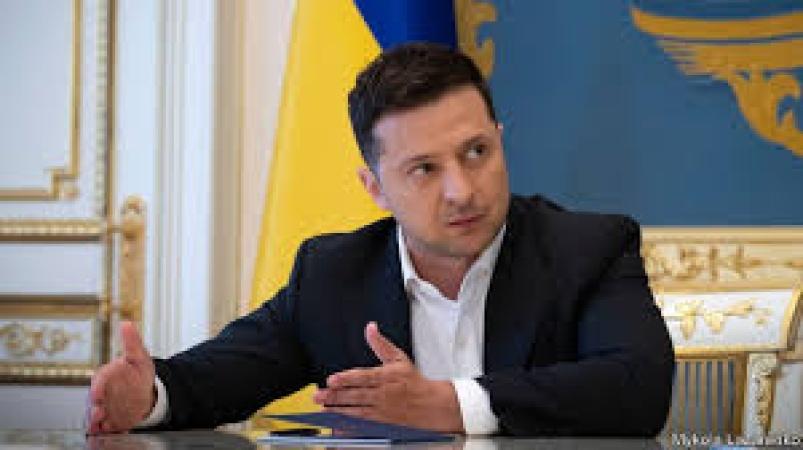
Ukrainian President Volodymyr Zelensky has sent teams of drone experts to the Middle East, according to a recent announcement. This deployment represents a significant shift, as Ukraine begins to export the military knowledge it has accumulated since Russia's full-scale invasion began in February 2022. The move positions Ukraine not just as a recipient of international aid, but as an active contributor to security in another volatile region.
For over two years, Ukraine has been the world's primary laboratory for modern drone warfare. Ukrainian forces, often using relatively inexpensive commercial and first-person-view (FPV) drones, have successfully countered a larger, more heavily armored Russian military. This experience has turned Ukrainian soldiers and engineers into global authorities on how to use small, agile drones to destroy tanks, artillery, and fortifications.
The decision to send these teams to the Middle East is a strategic one. By sharing its expertise, Ukraine builds diplomatic goodwill and potentially secures new partnerships. It demonstrates that Ukraine has valuable, battle-tested knowledge to offer the world, which could translate into stronger political and military support for its own ongoing fight for survival against Russia.
This initiative also highlights a broader trend in modern conflict: the democratization of advanced warfare. Drones have leveled the playing field, allowing smaller nations or non-state groups to challenge traditional military powers. Ukraine's mastery of this domain is now a sought-after commodity, and its willingness to share it marks a new chapter in its foreign policy.
The specific countries receiving the Ukrainian teams and the exact nature of their mission have not been detailed. However, the Middle East is a region with multiple active conflicts and security challenges, from the ongoing tensions between Israel and Hamas to the persistent threat posed by groups like ISIS. Ukrainian drone tactics could be applicable in various scenarios involving asymmetric warfare.
From a domestic perspective, this move allows Ukraine to showcase the skill and resilience of its military. It reinforces the narrative that Ukraine is defending not only itself but also contributing to global security by developing and sharing effective countermeasures against aggression. This can bolster national morale and strengthen the case for continued international assistance.
Looking ahead, the deployment could pave the way for future defense cooperation agreements or even arms exports centered on Ukrainian drone technology. As the war continues, finding ways to sustain its economy and defense industry is critical for Ukraine. Becoming an exporter of military expertise and technology is a logical, if unexpected, outcome of its prolonged defense.
The next steps will involve monitoring the impact of these Ukrainian teams in the Middle East and observing whether this leads to formalized training programs or technology transfers. This deployment, initiated by President Zelensky, is a concrete test of whether Ukraine's hard-earned battlefield lessons can be successfully applied in a different theater of conflict.